 Dr. Raj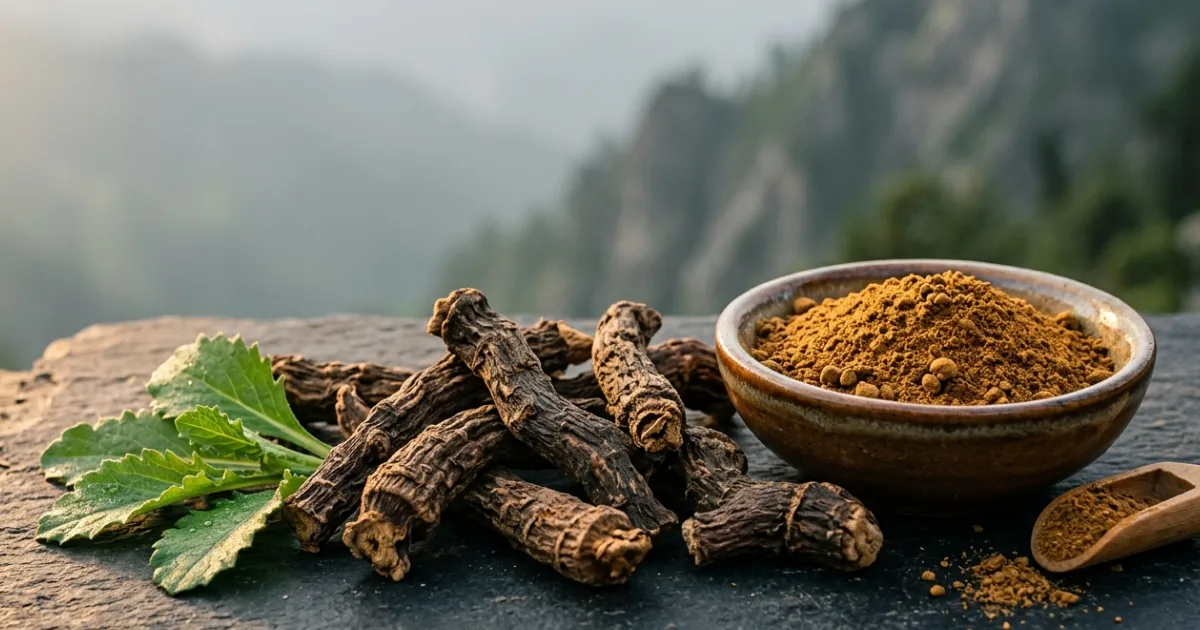
In This Article
- An Ancient Cure the Mountains Kept Secret
- What Liver Disease Is Actually Doing to India
- How Does Kutki Actually Protect the Liver?
- What Happens When the Science Meets the Real World
- The Questions Still Unanswered — and Why They Matter
Every year, millions of Indians swallow paracetamol — for headaches, fevers, post-vaccine soreness — without a second thought. What almost nobody knows is that paracetamol overdose is one of the most common causes of sudden, catastrophic liver failure worldwide. But deep in Ayurvedic medicine's 5,000-year-old pharmacopoeia sits a bitter Himalayan root that, in laboratory experiments, guards liver cells against exactly that kind of toxic assault. The root is called Kutki. And scientists are now asking whether it might be one of the most underestimated hepatoprotective plants on Earth.
An Ancient Cure the Mountains Kept Secret
Picrorhiza kurroa — Kutki by its common name — is a small, perennial herb that grows at altitudes above 3,000 metres in the Himalayas, from Kashmir through Nepal and into Tibet. It is famously bitter (the name kurroa itself hints at this), and traditional healers in Ayurvedic and Unani medicine have prescribed its dried rhizomes for liver ailments, digestive troubles, and fevers for centuries. Think of the rhizome as the underground stem — a gnarled, finger-sized structure packed with the plant's most potent chemistry.
For most of modern medicine's history, Kutki was largely ignored by Western pharmacology. That began to change in the 1980s when researchers isolated a standardised extract called Picroliv and started running rigorous experiments. What they found set off a slow-burning wave of scientific interest that continues today — most recently captured in a 2026 review published in the AD Eduxian Journal by nutritionist Dr. Shilpi Jain, which synthesises decades of preclinical and clinical research on the herb's impact on liver health.
What Liver Disease Is Actually Doing to India
Before we get to the herb itself, it helps to understand just how serious the problem is that it might address. Liver disease is not a niche concern — it is a public health emergency hiding in plain sight. Non-alcoholic fatty liver disease (NAFLD), a condition where excess fat accumulates in the liver without heavy alcohol use, now affects an estimated roughly 9–32% of India's general population, driven by rising rates of obesity, diabetes, and sedentary lifestyles.
Then there is viral hepatitis. India carries one of the largest hepatitis B burdens in the world, and acute hepatitis episodes can permanently scar liver tissue if not managed quickly. Add drug-induced liver injury — from everything from antibiotics to tuberculosis medications — and the scale of the challenge becomes clear. The liver is the body's chemical processing plant, responsible for filtering toxins, metabolising drugs, and producing the proteins blood needs to clot. When it fails, everything fails.
How Does Kutki Actually Protect the Liver?
Here is where the science gets genuinely interesting. Kutki does not work through a single magic mechanism — it appears to hit liver disease on multiple fronts simultaneously, which may be exactly why it has survived in traditional medicine for so long.
Fighting Oxidative Stress
When the liver is under attack — from a toxin, a virus, or excess fat — it generates an avalanche of unstable molecules called reactive oxygen species (ROS). Left unchecked, these molecules tear through cell membranes like sparks through dry paper, a process called lipid peroxidation. Picroside I and II, Kutki's star compounds, act as ROS scavengers — neutralising these sparks before they spread. In alcohol-induced liver injury models in rodents, Kutki extracts restored levels of the body's own antioxidant enzymes, superoxide dismutase (SOD) and catalase, which had been depleted by alcohol's toxic byproducts.
Calming the Inflammatory Fire
Liver inflammation is the common thread running through nearly every form of liver disease. When liver cells are stressed, they release pro-inflammatory chemical signals — cytokines — that recruit immune cells to the site. In small doses, this is protective. But in chronic disease, the inflammation becomes self-sustaining and eventually causes fibrosis (scarring). Preclinical studies show that Picrorhiza kurroa actively inhibits these pro-inflammatory cytokine pathways, helping to break the cycle before permanent damage sets in.
Tackling Fatty Liver Directly
In high-fat diet animal models — essentially, rodents fed the equivalent of a fast-food diet until they develop fatty liver — Kutki significantly reduced hepatic fat accumulation and improved lipid metabolism. A 2025 study published in Phytomedicine found that a picrosides-rich fraction from Kutki attenuated steatohepatitis (the inflammatory form of fatty liver) in both zebrafish and mice by directly modulating lipid metabolism and inflammatory signalling. That kind of cross-species validation is a strong signal that something real is happening at the molecular level.
"Kutki demonstrates hepatoprotective potential through antioxidant, anti-inflammatory, and lipid-modulating mechanisms that act simultaneously on multiple pathways of liver damage."
— Jain S., Nutrifit Bharat · AD Eduxian Journal, 2026What Happens When the Science Meets the Real World
Animal studies are promising, but they are not people. So what happens when Kutki is tested in human patients? The clinical picture is limited but encouraging. In trials involving patients with acute viral hepatitis, those who received Kutki demonstrated notably faster normalisation of liver enzyme markers — specifically ALT (alanine aminotransferase) and AST (aspartate aminotransferase) — compared to patients on placebo. These enzymes are the liver's distress signals: when hepatocytes (liver cells) are damaged, they leak these enzymes into the bloodstream, and elevated levels are the standard clinical marker for liver injury.
Faster normalisation means faster healing. For a hepatitis patient, this is not a trivial outcome — prolonged enzyme elevation indicates ongoing cell death and raises the risk of chronic damage.
The Questions Still Unanswered — and Why They Matter
Before Kutki earns a place in mainstream hepatology, several critical gaps need filling. The most glaring is the shortage of large-scale, randomised, placebo-controlled clinical trials in humans. Most of the evidence we have comes from animal models or small human studies — valuable, but insufficient for clinical guidelines. There is also the question of standardisation: Kutki extracts vary enormously depending on harvesting altitude, season, and processing method, making dose comparison across studies extremely difficult.
There is also a conservation concern that deserves attention. Picrorhiza kurroa is listed as a vulnerable species under IUCN criteria, over-harvested in the wild due to medicinal demand. Any large-scale therapeutic use would need to be paired with sustainable cultivation programmes. Researchers are already exploring cultivated varieties and synthetic production of picrosides, which could eventually make wild harvesting unnecessary.
The good news? The scientific momentum is building. A 2025 network pharmacology study modelled exactly how Kutki's compounds interact with NAFLD's molecular pathways — identifying specific protein targets and signalling cascades — which gives researchers a precise map for designing the targeted human trials that are still missing. The herb has waited patiently in the mountains for centuries. With the right clinical investment, it may not have to wait much longer.
- Multi-mechanism protection — Kutki's iridoid glycosides simultaneously fight oxidative stress, inflammation, and fat accumulation, addressing three of the four major drivers of liver disease at once.
- Clinical signal exists — Human trials in viral hepatitis show faster enzyme normalisation with Kutki versus placebo, providing early but real evidence of benefit beyond the lab.
- Standardisation is the bottleneck — Until extract quality and dosing are standardised across studies, translating these findings into safe, consistent clinical treatment remains the field's primary challenge.
"Kutki may serve as a promising complementary therapy for liver health — but large-scale clinical trials are essential to confirm efficacy, safety, and standardised dosing before it can be recommended as a treatment." — Jain S., AD Eduxian Journal, 2026.
📄 Source & Citation
Primary Source: Jain S. (2026). Impact of Picrorhiza kurroa (Kutki) on liver health: A review. AD Eduxian Journal, 3(1), 197–199. https://doi.org/10.5281/zenodo.18985051
Authors & Affiliations: Dr. Shilpi Jain (Owner, Nutrifit Bharat, Bhopal, Madhya Pradesh, India)
Data & Code: Available via Zenodo repository at the DOI link above.
Key Themes: Hepatoprotective Herbs · NAFLD · Oxidative Stress · Ayurvedic Pharmacology · Liver Enzymes
Supporting References:
[1] Katoch S et al. (2025). Picrosides-rich fraction from Picrorhiza kurroa attenuates steatohepatitis in zebrafish and mice. Phytomedicine.
[2] Raut A et al. (2023). Picrorhiza kurroa Royle ex Benth: Traditional uses, phytopharmacology, and translational potential in fatty liver disease. Journal of Ayurveda and Integrative Medicine, 14, 100558.
[3] Sakamoto Y et al. (2023). Hepatoprotective principles from the rhizomes of Picrorhiza kurroa. Biological & Pharmaceutical Bulletin, 46(6), 848–855.
[4] PubMed: Lipid peroxidation and antioxidant mechanisms in liver disease
No comments yet. Be the first to share your thoughts.
Leave a Comment