 Dr. Raj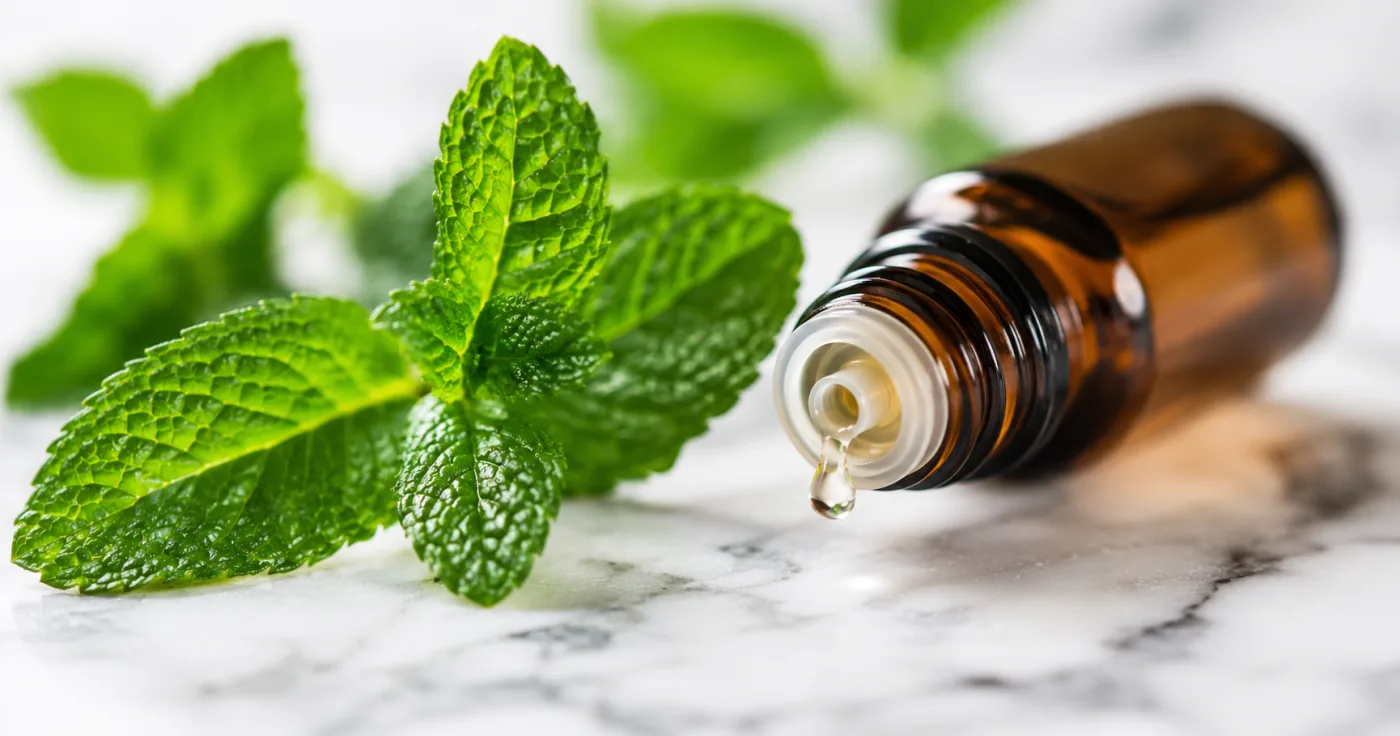
Founder's Note
⚕ Medical Note : This article describes the findings of a published scientific study. It is not medical advice. Do not stop, reduce, or change any blood pressure medication without speaking to a doctor. If you have high blood pressure, always seek guidance from a qualified healthcare professional before trying any supplement.
— Sanjay Verma, Founder · NavsoraTimesIn This Article
- The Billion-Person Problem That Inspired This Study
- What Scientists Tested and How They Tested It
- How Does Peppermint Oil Actually Lower Blood Pressure?
- What the Results Actually Showed
- The Three Extra Bonuses — Beyond Just Blood Pressure
- What This Means — and What It Does Not Mean
Somewhere in the world, more than one billion people are quietly carrying a danger inside their bodies. Their blood is pushing too hard against the walls of their arteries — day after day, year after year — wearing away at the delicate tubes that carry life to every organ. This silent pressure is called hypertension, or high blood pressure, and most people who have it feel nothing unusual until something goes very wrong. A heart attack. A stroke. Kidney failure. Scientists at the University of Central Lancashire and the University of Hertfordshire in the UK were thinking about this problem when they decided to test something almost everyone has in their kitchen or bathroom cabinet — peppermint oil. What happened in their trial surprised even them.
The Billion-Person Problem That Inspired This Study
High blood pressure is the single largest risk factor for heart disease and stroke worldwide. According to the World Health Organization, more than 1.28 billion adults between the ages of 30 and 79 live with hypertension. Fewer than half of them know they have it. Of those who do know, fewer than half are receiving any treatment. Even for people who are treated with medication, the drugs do not always work well and often come with side effects — dizziness, fatigue, muscle cramps, and sometimes even a dry cough that will not go away. This is why scientists keep searching for simpler, cheaper, and gentler alternatives. The idea of using peppermint was not random. Earlier research had already shown that peppermint can reduce blood pressure in healthy people with normal readings. But nobody had ever tested it in a proper clinical trial in people who actually had elevated blood pressure — the group who needs help most. That gap is exactly what this new study, published in the open-access journal PLOS ONE on 23 April 2026, was designed to fill.
What Scientists Tested and How They Tested It
The study recruited 40 adults who all had either pre-hypertension (blood pressure slightly above normal but not yet in the danger zone) or stage 1 hypertension (the first level of clinically high blood pressure). These people were randomly split into two groups. One group received 100 microlitres of real peppermint oil every day — about two drops — split into two small doses, morning and evening. The other group received a peppermint-flavoured placebo: something that smelled and tasted exactly like peppermint oil but contained none of the active ingredients. Crucially, neither the participants nor most of the research team knew which group was which until the trial was over. This design — called a randomised controlled trial, or RCT — is the gold standard of medical research. It is the same method used to test new pharmaceutical drugs. By using it for a natural supplement, the researchers gave their findings a level of credibility that most herbal remedy studies simply do not have. The trial lasted 20 days. At the beginning and end, the researchers measured several things: blood pressure readings (both the top number, systolic, and the bottom number, diastolic), cholesterol levels, blood fat (triglycerides), blood sugar, and levels of anxiety.
How Does Peppermint Oil Actually Lower Blood Pressure?
Peppermint oil contains two key active ingredients that scientists believe are responsible for its effects on blood pressure. The first is menthol — the same compound that makes peppermint feel cool and refreshing on the skin or tongue. Menthol activates special receptors in blood vessel walls called TRPM8 channels. When these channels are activated, the smooth muscle cells around the blood vessels relax. Relaxed muscle means wider blood vessels. Wider blood vessels mean less resistance to blood flow. Less resistance means lower blood pressure. It works a little like loosening a tight hose — the same amount of water flows through, but the pressure inside the hose drops. The second key ingredient is a family of natural plant compounds called flavonoids. Flavonoids are powerful antioxidants — they fight the chemical damage that happens in artery walls when the body is under stress or when there is too much inflammation. Damaged, inflamed artery walls become stiffer, which raises blood pressure. By reducing that damage, flavonoids help keep artery walls more flexible and healthy. Together, menthol and flavonoids target the problem from two different directions — the physical tension in the blood vessel walls and the chemical damage happening inside them.
"Twice-daily peppermint supplementation may represent a simple, low-cost, and well-tolerated strategy to support blood pressure reduction in this population."
— Sinclair, Sant, Du, Shadwell, Dillon, Butters & Bottoms · PLOS ONE, 2026What the Results Actually Showed
The results were clear. People who took real peppermint oil showed a significant reduction in systolic blood pressure compared to those who took the placebo. The drop was not just a small statistical blip — it was a meaningful, measurable difference between the two groups. The peppermint oil group also showed improvements in triglycerides — a type of fat found in the blood that, when too high, raises the risk of heart disease. And perhaps most surprisingly, they showed reductions in both state anxiety (the feeling of stress right now) and trait anxiety (a person's general background level of worry and tension that they carry every day). The placebo group showed none of these improvements in comparison. The changes happened across a very short time — just 20 days of twice-daily supplementation. This speed is notable, because most changes to the cardiovascular system take weeks or months to show up in blood tests and blood pressure readings.
Systolic Blood Pressure
Significantly lower in the peppermint oil group compared to placebo after 20 days. The drop was meaningful, not just a statistical rounding error.
Triglycerides (Blood Fat)
Improved in the peppermint oil group. High triglycerides are a major risk factor for heart disease, so this bonus effect is clinically important.
State Anxiety (Right Now)
Reduced in the peppermint group. The feeling of immediate stress and tension was measurably lower after 20 days of supplementation.
Trait Anxiety (General Level)
Also reduced. This refers to a person's baseline level of worry and anxiety — a deeper, more persistent measure than simple momentary stress.
The Three Extra Bonuses — Beyond Just Blood Pressure
The blood pressure finding was the main result the scientists were looking for. But the improvements in triglycerides and anxiety are significant bonuses that tell a bigger story. High blood pressure and high triglycerides very often travel together. Both are part of a wider cluster of risks called metabolic syndrome — a combination of conditions including high blood pressure, high blood fat, high blood sugar, and excess body weight, all of which together raise the risk of heart disease and diabetes significantly. The fact that peppermint oil appears to address more than one of these risks at once makes it a potentially more powerful tool than something that only lowers one number. The anxiety finding is also meaningful beyond its own value. Chronic stress and anxiety are known to raise blood pressure — partly because stress hormones cause blood vessels to tighten. If peppermint oil reduces anxiety, it may be reducing blood pressure partly through a calming pathway, not just through the direct physical mechanisms of menthol and flavonoids. These three benefits working together — lower pressure, better blood fat, less anxiety — suggest peppermint oil may be acting on the cardiovascular system through several different routes at once, which is exactly what the best treatments do.
What This Means — and What It Does Not Mean
This study is genuinely exciting — but it is important to read its results carefully and honestly. The trial had 40 people and lasted 20 days. These are small numbers and a short time. Most blood pressure medications are tested in thousands of people over years. Before peppermint oil could be clinically recommended as a treatment for hypertension — on its own or alongside medication — much larger and longer trials would need to confirm these findings. The researchers themselves note this limitation clearly. What the study does show is that peppermint oil is a safe, cheap, and potentially effective supplement for people with pre-hypertension or stage 1 hypertension, and that it deserves serious further investigation. For people who already have diagnosed high blood pressure and are taking medication, this is not a reason to stop those medications. It may be, with a doctor's guidance, a reason to ask about whether peppermint supplementation could be added as a supporting lifestyle measure. And for people who are in the pre-hypertension range and looking for safe, low-cost things to try alongside diet and exercise changes, this study offers an encouraging new data point from a credible, peer-reviewed trial.
- Significant blood pressure drop: Real peppermint oil produced measurably lower systolic blood pressure compared to placebo in just 20 days.
- Three benefits in one: Blood pressure, triglycerides, and anxiety all improved — suggesting peppermint acts through multiple pathways in the cardiovascular system.
- Proper RCT design: This was a placebo-controlled, randomised trial — the gold standard of medical research — not a simple observational study.
- Not a replacement for medication: The study was small and short. Always speak to a doctor before making changes to any blood pressure treatment plan.
"Peppermint, which is rich in menthol and flavonoids, may exert potential benefits relevant to hypertension. These findings suggest that twice-daily peppermint supplementation may represent a simple, low-cost, and well-tolerated strategy to support blood pressure reduction." — Sinclair et al., PLOS ONE, 2026.
📄 Source & Citation
Primary Source: Sinclair, J., Sant, B., Du, X., Shadwell, G., Dillon, S., Butters, B. & Bottoms, L. (2026). Effects of peppermint (Mentha × piperita L.) oil on cardiometabolic outcomes in patients with pre- and stage 1 hypertension: A placebo randomized controlled trial. PLOS ONE, 21(4): e0344538. doi.org/10.1371/journal.pone.0344538
Authors & Affiliations: Jonathan Sinclair, Benjamin Sant, XuanYi Du, Gareth Shadwell, Stephanie Dillon, Bobbie Butters (University of Central Lancashire, UK); Lindsay Bottoms (University of Hertfordshire, UK). Published: April 23, 2026. Open access — Creative Commons Attribution License.
WHO Hypertension Data: who.int — Hypertension fact sheet
Key Themes: Peppermint Oil · Blood Pressure · Hypertension · Natural Remedy · Menthol · Flavonoids · Triglycerides · Anxiety · Clinical Trial · PLOS ONE 2026
No comments yet. Be the first to share your thoughts.
Leave a Comment